Bitcoin US Elections: Jobs Data Could Shake BTC
Election week is here—and Bitcoin is paying attention
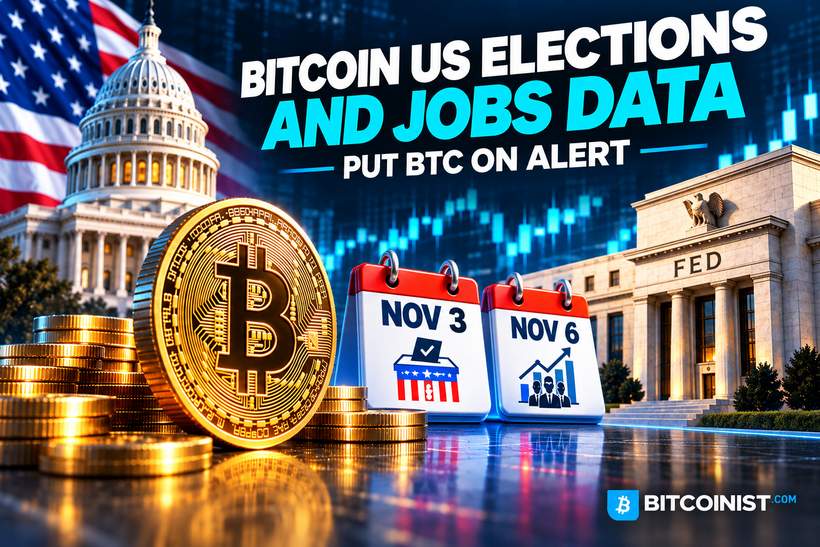
Bitcoin is sitting in the spotlight this week, mostly because the US political calendar is basically doing backflips. The upcoming midterm elections on November 3 and the big employment numbers on November 6 could move the market in a hurry—like, “blink and you miss it” hurry.
On top of that, there are other economic updates and some Federal Reserve commentary that can keep traders squinting at their screens. So yeah… confidence levels are doing the thriller-movie thing: creeping up, then disappearing behind the curtains.
Bitcoin couldn’t hang onto $80,000
Recently, BTC has struggled to stay above the $80,000 mark. Investor confidence hasn’t been exactly dancing lately, and the mood has been hit by worries around crypto security—plus some withdrawals from exchange-traded funds.
As we roll into the first week of November, the big question is whether politics and economic data will help calm things down… or if they’ll add even more fuel to the selling pressure.
Midterm elections: who wins could shape crypto policy
Tuesday’s midterm elections are one of the major “wait, what happens next?” events on the calendar. Americans will vote to decide who controls the House of Representatives and the Senate, which could totally shift the political balance in Washington.
And for crypto investors, that matters because Congress plays a huge role in shaping rules for digital assets, stablecoins, and trading platforms. If political control changes, the odds for new legislation—and the direction of future regulation—could also shift.
That said, election results don’t automatically flip a switch and create new regulations overnight. What investors will likely focus on is the overall political outlook and what it might mean for policy decisions down the road.
Job data week: labor demand, wages, and the rate-cut rumor mill
As the week moves forward, the economic side of the story gets louder. On November 3, the US Bureau of Labor Statistics will release September’s Job Openings and Labor Turnover Survey (aka the labor-demand and hiring/turnover report).
Then later in the week, more employment-related indicators will roll out, including private-sector hiring stats and weekly unemployment claims.
But the one everyone will be watching most closely is the October employment report on November 6 at 8:30 a.m. Eastern Time. It’s the update that covers job creation, unemployment, and wage growth.
If the numbers come in strong, it could strengthen the idea that the Federal Reserve keeps monetary policy restrictive for longer. If the numbers are weaker, the market might start betting on lower interest rates—though weaker data can also raise concerns about overall economic growth.
Either way, Bitcoin could get jumpy. Traders will interpret the signals, and BTC tends to respond like it’s wired into the macro news.
ETF flows are sending mixed signals
Bitcoin’s recent moves suggest investors are approaching this week with extra caution. A notable detail: US spot Bitcoin ETFs saw about $643 million in net withdrawals on October 30, one of the bigger daily outflows in recent months.
These withdrawals followed a major security incident involving Binance, which added to the general “wait, is everything okay?” vibe across the crypto market.
Still, there’s nuance. Even though one ugly day happened, that didn’t magically erase institutional interest across the board—some funds ended October with net inflows. The takeaway? One rough session doesn’t automatically mean the big players are fully out.
This week, everyone will be watching whether ETF flows stabilize, bounce back, or keep drifting the other way.
Tech earnings and Fed comments could spill over into crypto
Politics and jobs aren’t the only things capable of shaking markets. Big tech companies are also set to release quarterly earnings this week. Their results could influence broader stock sentiment, especially for investors who care about AI and tech spending trends.
Here’s the fun (and slightly annoying) part: during times of economic uncertainty, Bitcoin often moves alongside other risk-sensitive assets. So if tech stocks react sharply, crypto can feel that ripple effect.
And of course, traders will be glued to Federal Reserve officials for hints about future policy. Bitcoin can be especially sensitive when expectations shift quickly—especially if leverage gets involved.
Remember: price drops can trigger liquidations fast, which means volatility can snowball if traders overcommit to short-term moves.
So… can Bitcoin regain confidence?
Right now, the direction isn’t crystal clear. Election outcomes could shift regulatory expectations, while employment data could reshape interest-rate expectations. Meanwhile, institutional flows and broader market performance will also play a big role in whether Bitcoin can recover.
The real question for the coming days is simple: will this week restore investor confidence, or will it extend the cautious, “let’s see what happens” mood that dominated the end of October?