Aave V4 Proposal: The DAO’s New Safety Net for Lenders
The Scoop on Aave V4
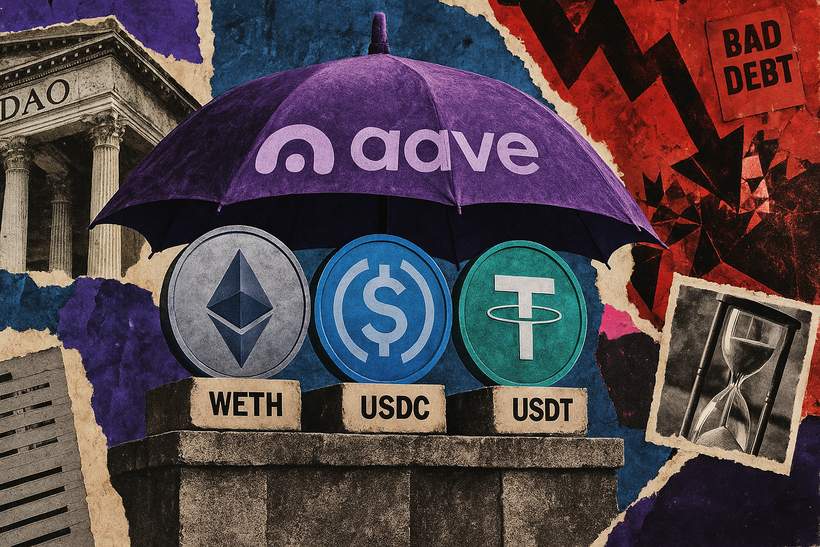
So, what’s the buzz about the Aave V4 proposal? Buckle up, because it’s got some interesting twists! The gist is that lenders who are supplying their wrapped Ether (WETH), USDC, or USDT to Aave’s Core liquidity Hub on Ethereum are about to get a safety net for bad debts. This proposal, cooked up by TokenLogic, promises to put the Aave DAO front and center when it comes to doling out money in case of losses. The support is mainly limited to these three lending markets, but hey, it’s a start!
How Much Coverage Are We Talking?
Alright, let’s break down the numbers! The proposal sets some pretty ambitious underwriting targets for the various assets: they’re aiming for 800 ETH for Core WETH, 400,000 USDC for Core USDC, and the same 400,000 for Core USDT. Now, these targets are forecasted based on a six to eight-week growth in loans, not some magic stash that’s already sitting pretty. It’s like predicting how much pizza you’ll devour during a movie marathon—hope for the best but plan for the most!
Understanding the Bad Debt Game
Now, you may be wondering — what in the world is bad debt? Think of it as that awkward moment when your friend overstays their welcome at your party and ends up eating all your snacks! It happens when a borrower’s collateral is drained through liquidation, leaving behind a chunk of unpaid debt. Under this snazzy proposal, Aave’s DAO will take a hit first through what they call “deficit offsets.” This means 33 ETH for Core WETH along with 15,000 USDC and USDT for their respective cores.
Underwriters: The Brave Heroes
And then we have the underwriters, who are basically the brave knights of this financial realm. These dudes could lose their cash if they go beyond that initial safety layer. But don’t get it twisted! Their funds continue accumulating supply yield like rabbits—until they’re called upon, that is. Once the call to action comes, it’ll cost some precious Hub shares. But fear not! Extra rewards will pat them on the back for stepping up to the plate and accepting the risk.
Who Gets This Coverage?
Let’s chat about who qualifies for this coverage. If you’re borrowing from each protected reserve, you’re in! This includes loans that are created through Spokes, where the collateral might be hanging out in different Hubs. Remember — your credit line still ties back to the Core reserve supplying the borrowed assets, so play nice!
Waiting to Exit: The Fine Print
Now, if you’re thinking about exiting this party, hold your horses! There’s a 20-day cooldown period followed by a two-day withdrawal window. Miss that window, and well, you’ll have to hit the restart button and wait another 20 days. Talk about patience, right? And just starting the exit process doesn’t kick your assets out of the danger zone. Nope, they remain exposed to slashing while still raking in rewards. So, brace yourselves; the extra yield could come at a price!
Conditions and Future Changes
TokenLogic, the brains behind this framework, is careful when it comes to recommending coverage for certain tokens like USDG or frxUSD. Why? They’re not sure how the incentives will pan out! And to top it off, they’ll be keeping an eye on conditions and could reassess the framework in a few months, especially as lending activity evolves. It’s all about staying adaptable in this ever-changing crypto landscape!
Wrap Up!
In the ever-winding world of cryptocurrency, Aave is looking to make some bold moves with V4! With a nifty plan like this, we might just witness a greater sense of security for lenders while the marketplace continues to evolve. So grab your digital popcorn; the show is just getting started!