When Stablecoins Get Wobbly: A Dollar at Stake
The Wobble That Shook the Crypto World
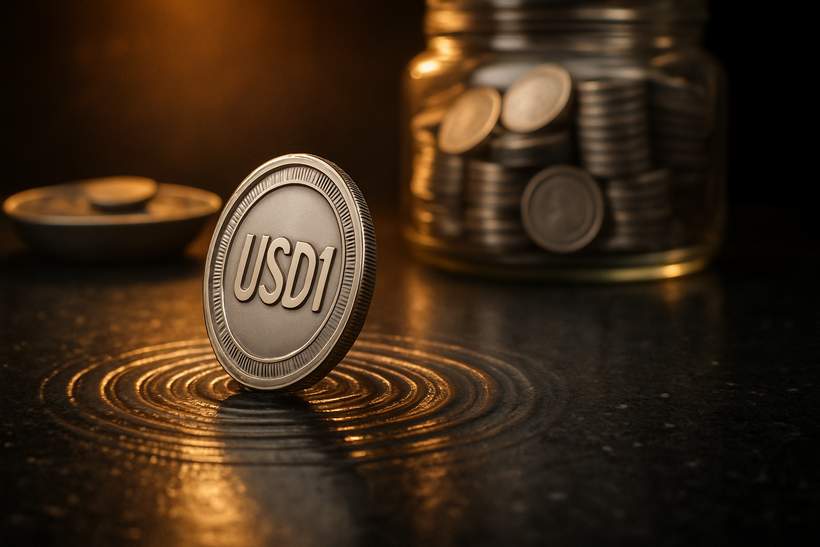
So, picture this: on February 23rd, World Liberty Financial’s (WLFI) stablecoin, which everyone thought was as stable as a rock (or at least a mildly sturdy pebble), took a nosedive to $0.994. Yes, you heard it right! Just a tiny slip of 0.6% that lasted only a few minutes before it bounced back. But come on, with over $5 billion floating around and being the fifth-largest stablecoin in the bunch, this little hiccup threw everyone for a loop!
What Went Wrong?
WLFI had the audacity to call this blip a “coordinated attack.” Apparently, it was a bizarre combo of hacked accounts, influencers throwing shade, and some big players betting against its token. Yet, amidst the chaos, WLFI reassured everyone that its mint-and-redeem mechanisms were as solid as ever, and that their reserves were safe. Sure, buddy!
Understanding the Market Madness
Here’s where it gets a bit murky—stablecoins play in two different pools. First, there’s the primary market, where the cool kids mint new tokens by handing over some good ol’ dollars (or redeem old tokens back for dollars). This is where the one-to-one magic happens. Then there’s the secondary market, where everybody not-so-casually buys and sells these tokens. This is where prices can do the cha-cha, and yes, where USD1 hit that low point of $0.994.
The Ripple Effect
Now, BitGo—the big boss behind USD1—prepares to redeem tokens at par for eligible holders, but here’s the catch: they don’t promise that the tokens will stick to the $1 mark on third-party platforms. It’s kind of like saying you can have your cake but not eat it!
Redemption Isn’t as Easy as Pie
Getting your tokens redeemed isn’t a walk in the park either. BitGo has its rules, which can throw a wrench in things if they decide to hold back or limit activities due to compliance or pesky legal obstacles. Plus, there’s the whole onboarding headache—KYC checks, banking hoops, the works.
The Great Fear Factor
The crunch comes from a mix of trading at a discount versus waiting for glorious redemption later. The recent chaos saw Binance holding an overwhelming 93% of USD1’s supply. That concentration means any panic can send prices plummeting like a skydiver without a parachute. If news spreads like wildfire, people will rush to sell faster than you can say “liquidity crisis!”
A Little Rumor Goes a Long Way
On that fateful day, the price dip seemed to fit right in with what we call a “tweet shock”—rumors, influencer gossip, and a bunch of noise leading to a frenzy. In cases like these, a 0.2% to 1.0% slip isn’t unheard of, and recovery usually takes just moments, assuming redemption pathways appear open and accessible.
Wobbling Towards Trouble?
The thing that concerns money talkers, though, is what happens when the next rumor lands specifically on Binance? Remember, if a single exchange holds the lion’s share of the supply, it could become the Achilles heel of the whole operation. A minor whiff of doubt or regulatory rumblings and we could be staring down the barrel of a 1%-5% discount—yikes!
Confidence Over Numbers
All these metrics and data points might seem impressive, but it’s actually confidence that keeps the ship afloat! Just because USD1’s reserves are sound on paper doesn’t mean they’re a safety net. The quicker that doubt sets in, the harder it is for the coin price to stay afloat.
Lessons Learned
The February wobble didn’t spell disaster for USD1; it was more about how quickly everyone pulled the panic lever when fear holidayed around the market. Remember, when it comes to crypto, a swift exit is just a click away, and it’s not a friendly game when the price is volatile!
The Bottom Line
The market is bracing for uncertainty, and everyone’s got their eyes set on how stablecoin dynamics will unfold. As we step out further into the wild world of digital currency, one thing is for sure: the stakes are higher than ever, and everyone is holding their breath for what comes next!