Bitcoin Political Support Is Growing Across US Parties
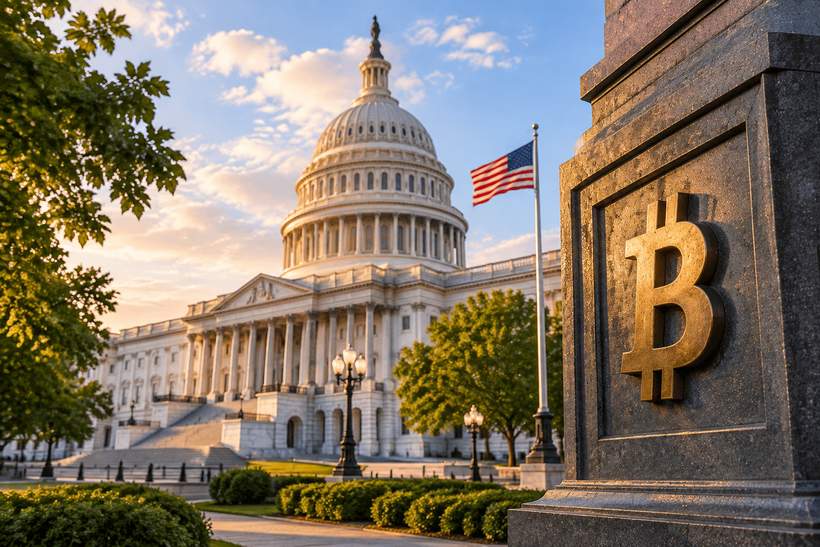
Midterms got politicians talking about Bitcoin
After the 2026 U.S. midterm elections, Bitcoin is back in the political spotlight—and not just in one corner of the aisle. Billionaire Bitcoin cheerleader Michael Saylor says the results point to something pretty big: interest in government-held Bitcoin reserves is spreading beyond the usual party lines.
Saylor’s “cross-party” takeaway
Saylor flagged what he sees as two clear examples from opposite sides of the political map. His message was basically: the case for holding Bitcoin doesn’t care who you voted for.
And honestly, that’s the part that makes headlines. Even when lawmakers disagree about crypto rules, the idea of Bitcoin being part of government reserves is getting traction from politicians with totally different agendas.
Florida: a Republican governor backs the idea
First up, Florida. Republican Byron Donalds won the gubernatorial race, and he’s previously supported legislation connected to creating a federal Bitcoin reserve. So yeah—Florida went from “maybe someday” to “we’re thinking about it,” with a Republican at the wheel.
Texas: a Democrat backs a state Bitcoin reserve
Now swing over to Texas. Democrat James Talarico won a U.S. Senate seat, and he previously voted in favor of laws setting up a state-level Bitcoin reserve. In other words: Texans weren’t waiting around for Washington to figure it out first—they went ahead and made Bitcoin part of the conversation at the state level.
Why this matters for 2027 lawmakers
These developments could matter a lot as the U.S. heads into new legislative sessions in 2027. Donalds previously supported federal legislation aimed at formalizing a Strategic Bitcoin Reserve. Meanwhile, Texas already has a legal setup for holding Bitcoin as part of its reserve strategy.
The Texas angle is especially interesting because it shows states can move forward with Bitcoin policies even if the federal government is still dragging its feet.
But will any of it actually pass?
Now, let’s not get too carried away. Political support doesn’t automatically mean new reserve bills will sail through. Lawmakers still have to wrestle with the real-world stuff: public spending, custody and security, price volatility, and what Bitcoin should (or shouldn’t) be doing inside government finances.
Those questions are likely to become the main drama in future debates—because “sounds cool” is not the same thing as “we can safely and responsibly manage this.”
The bigger backstory: a reserve plan already exists
There’s also context here. A U.S. Strategic Bitcoin Reserve was established through a 2025 executive order, which was a notable step in federal digital asset policy. The order focused on managing government-held Bitcoin, including assets that could come from forfeiture proceedings.
It also allowed officials to look into budget-neutral ways to acquire more Bitcoin, though it didn’t create a blank-check, unrestricted buying program.
For investors, all this is worth watching because reserve discussions can shape how Bitcoin is viewed long-term—like, whether it’s treated as a legitimate institutional asset or just a hype train that rides out and disappears.
Support is growing—now let’s see if it becomes real policy
So, Saylor’s point is less about one party suddenly becoming pro-Bitcoin and more about a wider political acceptance of the idea. As the U.S. gears up for another legislative year, the next big question is simple: will this cross-party interest turn into actual Bitcoin reserve policies that survive the legislative grind?