LINK ETF Confirmed for 2025? XRP and SOL Launches Move Up Chainlink Timeline
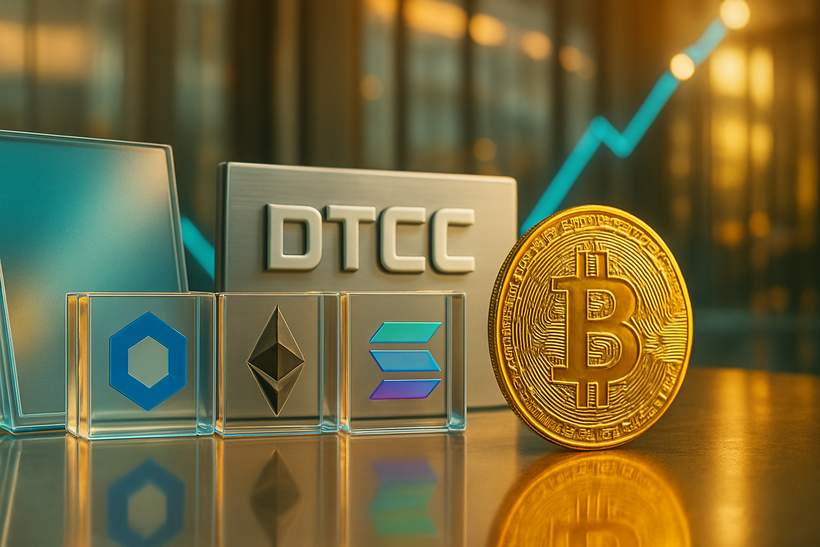
Has the LINK ETF Finally Arrived?
So, it seems that when Chainlink showed up on a DTCC reference list, the crypto world erupted with excitement, screaming “LINK ETF confirmed!” But before you start planning your victory dance, let’s set the record straight. This was just a regular old update from the DTCC, prepping for potential ETFs before we get the big green light from the SEC.
In a nutshell, Chainlink being on that list doesn’t mean it’s passed all the necessary approval hurdles. It’s more like getting an invitation to the party, but the door guy hasn’t let you in yet.
What Does This All Mean?
While it’s always a good sign when crypto ETFs make it to such lists, we’ve got to keep our feet on the ground. Most crypto ETFs that pop up on DTCC’s radar tend to go live within six months. For example, Bitcoin ETFs made their debut in January 2024 after first being listed in October 2023. And guess what? XRP ETF was spotted this month and went live today, so fingers crossed for LINK!
The thing to remember is that DTCC’s role begins where plenty of speculation often ends. As a post-trade clearinghouse, they deal with operational readiness, not that oh-so-important policy blessing from the SEC.
The Road to ETF Approval
For any crypto ETF to get its day-one trading pass, there are two big approvals that need to happen in a specific order. First up, the exchange has to get approval for what’s known as a Rule 19b-4 filing, which is essentially a request to change a rule so they can list the new product. Sounds simple, right? Well, it’s often a bit of a tangled mess for crypto ETFs.
The SEC plays the role of the serious adult in the room, trying to figure out if there’s a “market of significant size” to help prevent shenanigans like manipulation. This was a huge issue for Grayscale, forcing the SEC to spill the beans on their criteria. Thankfully, that led to the green light for spot Bitcoin and Ethereum ETFs in 2024.
Once Rule 19b-4 is a done deal, the party isn’t over yet. The ETF issuer has to file an S-1 registration statement that spills all the tea about the fund’s structure, risks, custodian, fees, you name it! The SEC then scurries over this document, possibly throwing in some follow-up questions just for fun—like they did with the Ether ETF. Trading can’t even kick off until the S-1 is given a big thumbs up.
Fast Track to 2025
Now, fast-forward to 2025, where the SEC is rolling out a more chill framework to make approvals easier for digital-asset ETFs that are similar to previously approved ones. Although this helps speed things along, exchanges still need to prove that the underlying market is liquid and stable. For LINK, it’s going to be a bit of a dance to meet those standards.
If a LINK ETF crosses all its T’s and dots its I’s, it could really shake things up for crypto lovers and everyday investors alike. Imagine being able to snag LINK through the same brokerage you use to buy Apple stocks! No more fussing over wallets or seed phrases. Just pure, unadulterated convenience—and that means easier tax reporting too!
Pros and Cons of LINK ETFs
However, let’s not get too cozy. With convenience comes some baggage. ETF holders often have to deal with management fees and can face these pesky tracking differences, which is just the gap between the ETF’s price and the actual market value of LINK. In the beginning, if trading volume is low, things can get a bit jittery.
Also, keep in mind that ETF investors won’t actually be using LINK in DeFi, staking it, or casting votes on governance proposals. Instead, they’ll be holding a simple exposure—not the real deal!
The Future of LINK
Financial advisors will probably peg altcoin ETFs as a niche asset, sprinkling a few percentage points across a diversified portfolio. Because let’s face it, these things can be volatile!
ETFs work with authorized participants and market makers to keep prices in line with their net asset value. But for LINK, having thinner markets means that big buys or sells could cause some wild price swings, especially in stressed markets. That’s why the SEC keeps a close watch on custody and creation-redemption processes.
But what about staking? If an ETF stakes LINK, the SEC would likely require some serious disclosures about the risks. It’s complicated, but getting to a place where this is possible isn’t out of the question!
Final Thoughts
The key takeaway? DTCC’s involvement is all about the back-end operations like settlement and record-keeping. Just because LINK popped up in their data doesn’t mean we’re officially rolling towards an ETF—it’s just a sign that preparations are underway.
To really gauge if we’re moving closer to the ETF dream, keep your eyes peeled for actual regulatory filings—not just pics of screens showing off tickers. Those are the real indicators of progress!
With the chances of a Chainlink ETF launching in 2025 sitting at around 30%, today’s launch of the XRPC from Canary Capital might just speed things up. So, sit tight and stay alert for any filings if you’re itching to dive into a LINK ETF!