The Scary Solana Story: Hackers and Urgent Upgrades!
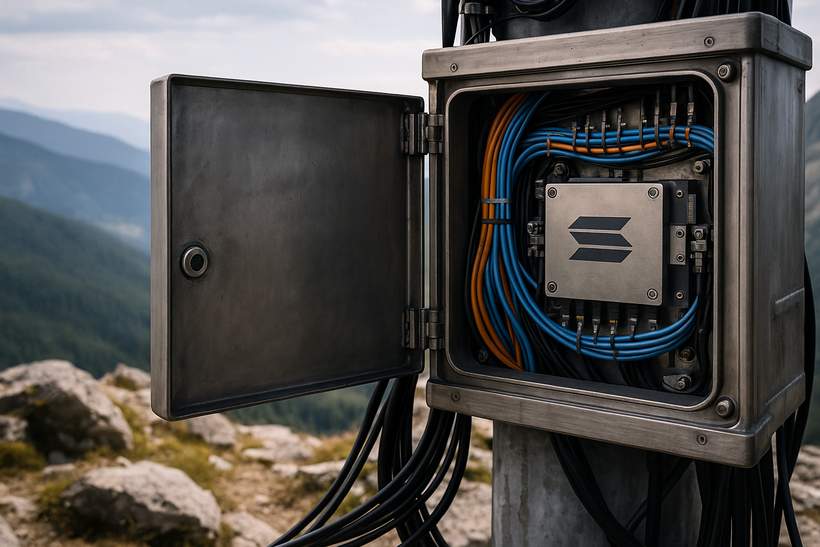
When Things Get Urgent
So, picture this: the folks behind Solana suddenly get all serious and tell the validators it’s time to hustle over an update called Agave v3.0.14. It’s like being called to a surprise meeting at work, except it’s about cryptocurrencies and not your boring TPS reports.
What’s the Big Deal?
They called it “urgent,” as if it were a fire drill, but left out a lot of the juicy details. Fast-forward to a day later, and the internet starts buzzing with big questions—if a network that claims to be proof-of-stake needs everyone to upgrade pronto, what happens if not everyone plays nice? Spoiler: this could lead to chaos!
The Scary Numbers
By January 11, one brave soul on Twitter (you know, the brave new age of journalism) mentioned that only 18% of the staked funds had switched to the shiny new version. Yep, most of the economic weight was still balancing on the old, rickety version while everyone was trying to decide whether to upgrade or not. Not the best place to be when disaster lurks around.
The Lowdown on Solana
Now, Solana is like the overachiever of crypto, constantly boasting about its speed and reliability. It’s built to handle tons of transactions quickly, with validators validating blocks based on how much SOL they’ve staked. But here’s the kicker—if all those validators don’t jump on the upgrade train at the same time, the whole system can get wobbly.
The Agave Chronicles
Fast forward a bit, and the folks at Anza, the geniuses behind Agave, drop a security patch summary about why v3.0.14 is crucial to the network’s survival. Long story short: they mention two possible vulnerabilities discovered back in December—talk about dropping a bombshell!
What Went Wrong?
One vulnerability revolved around Solana’s gossip system, which is basically how validators chat with each other—even when the network is having a meltdown. Apparently, there was a goof in how some messages were managed, possibly leading to a validator crash. And if that happens simultaneously across the board, well, bye-bye network stability!
The second oopsie involved vote processing, the brainy part that keeps things democratic in the validator circle. Without a proper verification step, pesky attackers could spam validators with bogus votes, leading to all sorts of vote chaos. Nobody likes chaos, especially not when you’re trying to maintain consensus.
The Fix
The grand solution? Tighten up the verification process for those pesky vote messages before they can mess things up. It’s a bit like making sure your friends tell the truth before you let them into your epic Fortnite party.
The Importance of Quick Coordination
The big question still stands: how swiftly can a bunch of independent validators roll out fixes when the stakes (pun intended) are so high? And to add a cherry on top, the Solana Foundation started tying features of its delegation rules with software versions, making sure everyone’s on the same upgrade path.
Lessons Learned
So what have we learned from this wild ride? Well, Solana dodged a major bullet and showed us what “always-on finance” really needs. It’s not just about having fancy code—it’s also about how all those independent validators come together when the chips are down.
Future Proofing
Despite the drama, Solana didn’t hit the brakes on its release schedule. They launched v3.1.7 just days later, proving that while the network might wobble from time to time, it can still keep moving forward. With constant updates on versions and a clear plan for the future, it seems Solana is here to stay, ready to stomp out any hacker who dares cross its path!
In a Nutshell
The v3.0.14 saga began with urgency and worry but ended up shining a flashlight on how Solana operates during pressure cooker situations. Let’s just hope our validators can keep up with the pace because here’s betting hackers are lurking around the corner, waiting for the next chance to play hide and seek!