Justin Bieber’s NFT Adventure: From Millions to Mere Pennies!
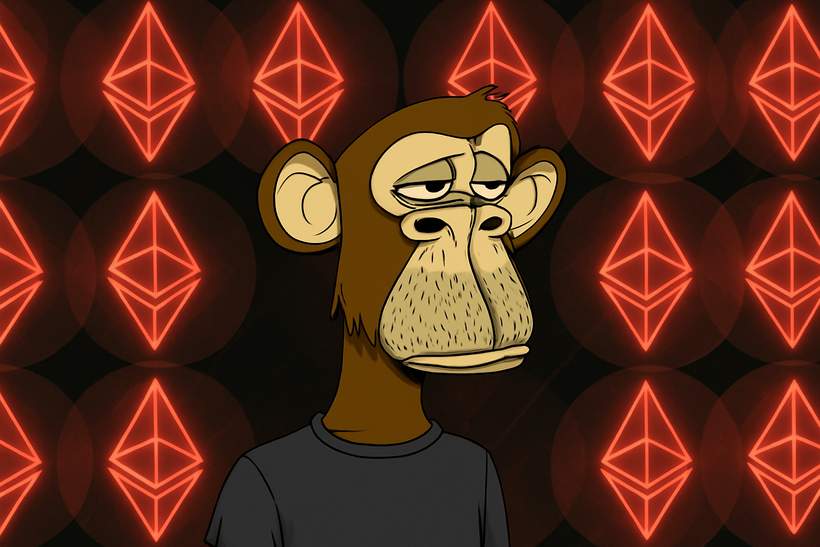
What Happened to Bored Ape #3001?
So, it seems like Justin Bieber’s once-mighty Bored Ape #3001, which he snagged for a jaw-dropping 500 ETH back in early 2022, has taken a nosedive. The value of this digital gem has plummeted to around $12,000. Yes, you heard that right—a staggering drop from an initial investment of $1.3 million! Talk about a financial roller coaster!
When the NFT Hype Was Real
Justin, being the pop sensation he is, thought it’d be a grand idea to dive into the glitzy world of NFTs when they were the talk of the town. Analysts back then even pointed out that he might have overpaid, with similar items selling between $200,000 and $300,000. Oops!
Current Bid? Not Exactly Thrilling!
Fast forward to now, and the highest bid for this Bored Ape is sitting at just 5.9 ETH. With Ethereum’s current price hovering around $2,000, that means folks who jumped on the bandwagon during the NFT craze are staring at some serious cash losses. Yikes!
The Birth of Bored Apes
Let’s rewind a bit! The Bored Ape Yacht Club (BAYC) burst onto the scene in April 2021. They minted 10,000 pieces of quirky art, selling out in just half a day for 0.08 ETH each. By May 2022, people were trading these beauties for a whopping 128 to 145 ETH—basically $350,000 to $420,000! Can you believe the magic?
Bieber’s NFT Collection
Not stopping at just one, Justin also picked up another ape—number 3850—for around $470,000 shortly after. What a collector!
What Now for NFTs?
After the hype bubble burst, NFT trading volumes and prices took a sharp dive. But don’t hang up your party hats just yet—the NFT world is evolving! Developers are focusing on more practical applications like in-game goodies, access passes, and identity tools. It’s not dead; it’s just reinventing itself!
Ethereum vs. Others
Ethereum still rules the roost for high-value NFTs, while platforms like Solana and Polygon are making waves with lower fees and better scalability. So, who knows what’s next in this wild ride of digital collectibles?