How to Choose a Safe DeFi Platform Before You Deposit in 2026
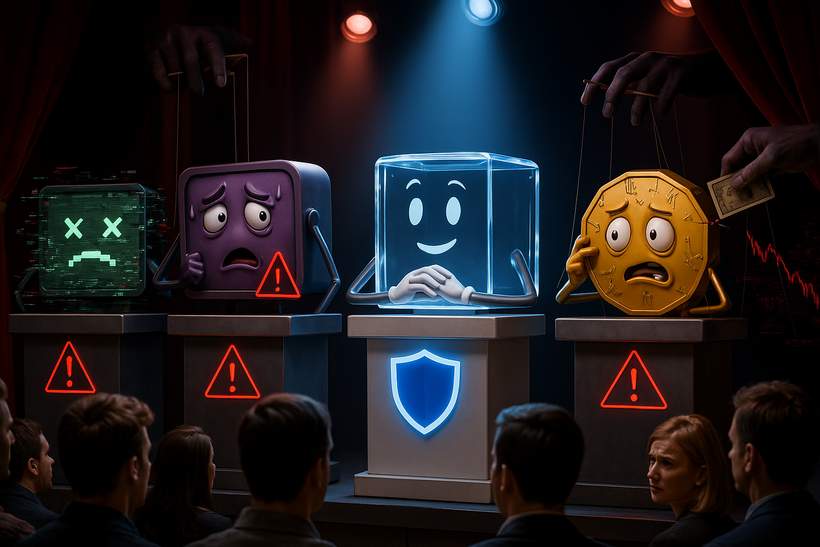
Introduction: The DeFi Dilemma
So, you want to dive into the wild world of DeFi in 2026, huh? Well, before you throw your hard-earned cash into the digital pool, let’s tackle the elephant in the room: how do you pick a platform that won’t have you crying over spilled virtual milk? The crypto landscape has seen its fair share of mishaps, with a staggering $482 million lost across 44 incidents this year alone. Yikes!
Where’s the Trust?
Choosing the right DeFi platform feels like a game of trust roulette. Behind every shiny site lies a labyrinth of contracts, tokens, oracles, and other fancy jargon that can make your head spin. The big question is: is what’s under the hood transparent enough to warrant that big leap of faith?
Trust Signals: The Good, The Bad, and The Ugly
Here’s the deal: simply looking for an audit, checking the total value locked (TVL), or eyeing yield isn’t enough to guarantee safety. Sure, they’re like the “friends” who give vague advice without really helping you out. For instance, an audit is only worthwhile if it covers the current contracts – if it’s outdated, it’s about as useful as a chocolate teapot.
What to Watch Out For
Before you dive in, here are some things to keep an eye on:
- Audit reports: Look for details – scope, findings, and links to current contracts.
- TVL Trap: A high TVL might look good, but if it’s got flimsy revenue backing it up, it could collapse faster than a house of cards.
- Yield Mysteries: If a platform is promising sky-high yields, ask yourself where that juicy yield really comes from. Spoiler: it might be a risky venture.
The Trust Stack
To keep your crypto cozy, let’s dissect the elements of trust:
- Governance: Who has the power to change the rules? If it’s a small group, proceed with caution.
- Emergency Powers: How does the platform react during crises? Transparency here is key.
- Cross-Chain Risks: If the platform is playing hopscotch across chains, you better know what that means for your investment.
Stablecoins: Always Read the Fine Print
Stablecoins are like that friend who always leans on you for support. Make sure you know which ones the platform uses and their issuer policies. You wouldn’t want your financial anchor to turn into a rubber duck, right?
Regulatory Radar
Keep an eye on the regulatory landscape, especially as new frameworks emerge. If there’s a white paper or registration in play, treat it like a warning sign rather than a shiny badge of honor.
Color-Coding Your Options
Let’s break down the platforms into three nifty categories for easy navigation:
- Green Lights: Dated audits, visible contracts, conservative collateral management, and a history of honesty.
- Yellow Signals: New platforms, reliant on incentives, or complicated setups that might leave you scratching your head.
- Red Flags: Not enough disclosure, no audits, suspiciously high yields – run away!
Final Thoughts
In the brave new world of DeFi, knowledge is your best friend. If a platform can’t explain its potential pitfalls in language that doesn’t require a PhD in cryptography, it might be time to look elsewhere. Stay witty, stay cautious, and let’s make those DeFi dollars work for you!